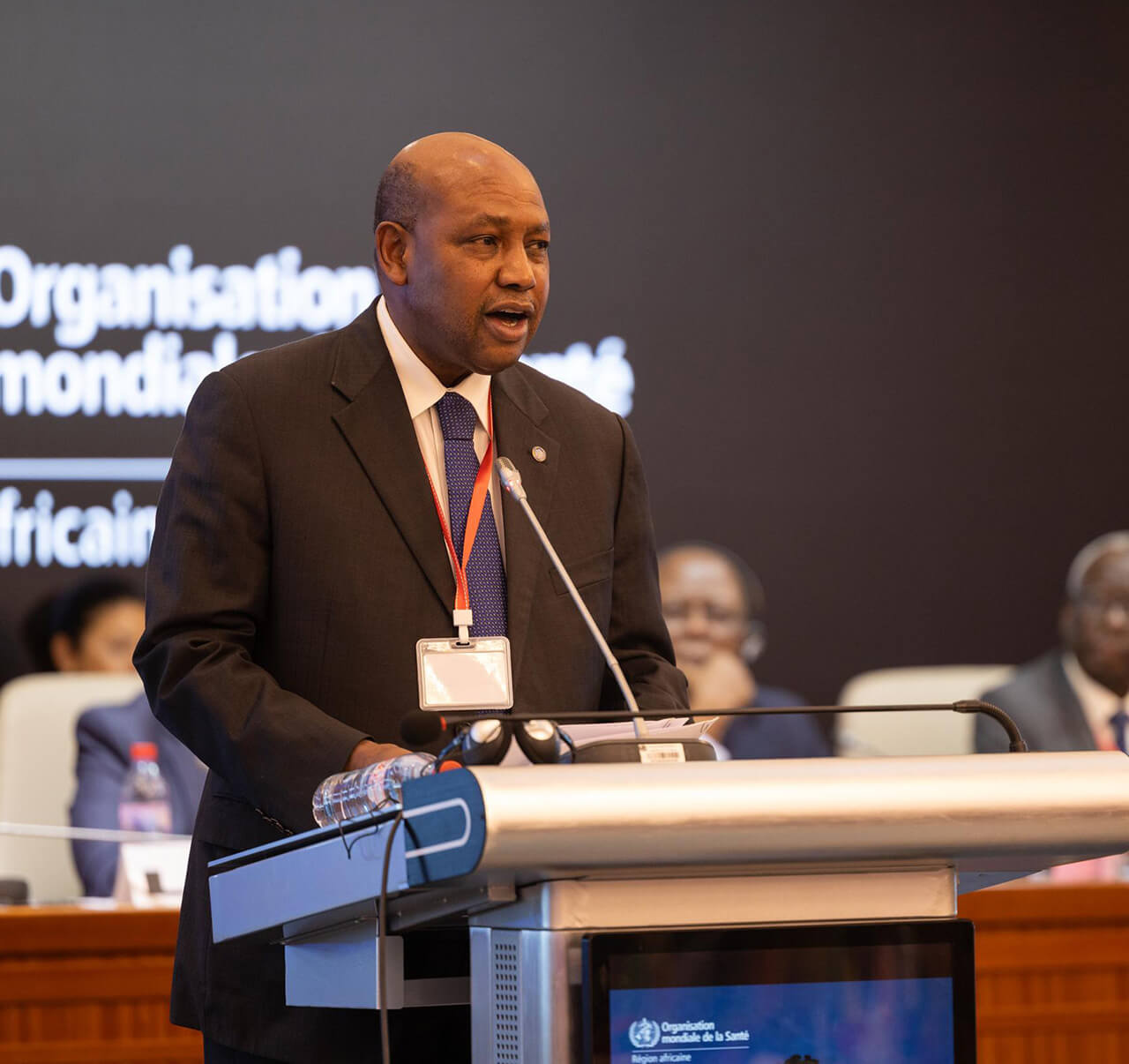
The 74th session of the World Health Organization (WHO) Regional Committee for Africa commenced this week in Brazzaville, Congo, drawing nearly 1,000 delegates, including WHO Director-General Tedros Adhanom Ghebreyesus and health ministers from 47 member states. This pivotal gathering aims to address urgent health challenges on the continent, with a particular emphasis on the ongoing Mpox outbreak. This year's committee is placing a heightened focus on Mpox, a rapidly spreading health concern across Africa and beyond.
The WHO Regional Director for Africa underscored the need for a new approach: “We are collaborating closely with member states, providing robust support to develop comprehensive response plans,” signaling a determination to tackle this epidemic more effectively than past crises. The WHO's renewed strategy extends beyond containing outbreaks; it aims to strengthen health systems across Africa. Discussions are set to cover WHO reforms, enhancing Africa's role in global health governance, and addressing preventable child mortality, signaling a holistic approach to health security on the continent.
Africa’s extensive experience in managing diseases such as malaria, meningitis, and cholera has equipped the continent with unique expertise in epidemic response. Joy Phumaphi, Executive Secretary of the African Leaders Malaria Alliance, highlighted this resilience: “Africa has faced epidemics for centuries. The current Mpox outbreak is challenging, but it is not unfamiliar territory.” The Democratic Republic of Congo (DRC), at the heart of the Mpox crisis, has seen rapid virus transmission across central and eastern Africa and beyond.
DRC officials, attending the Brazzaville session, stressed the critical need for international collaboration and knowledge exchange to mitigate the epidemic’s impact. In response to the escalating Mpox outbreak, the WHO has introduced a Strategic Preparedness and Response Plan, aiming to curb human-to-human transmission globally. This initiative, running from September 2024 to February 2025, seeks $135 million in funding to enhance surveillance, raise public awareness, and strengthen health services for effective virus management.
Several international health organizations have pledged additional resources, acknowledging the urgent need to reinforce Africa's healthcare infrastructure. The WHO remains committed to leveraging Africa’s epidemic management expertise and providing the necessary resources to prevent future outbreaks. The Brazzaville session also highlights critical discussions on long-term improvements to Africa’s health infrastructure.
These include transformative WHO reforms, amplifying Africa’s influence in global health discussions, and implementing targeted interventions to reduce preventable child mortality. These talks underscore the need for systemic change to secure the continent's health future.
In the face of rising global health threats, the significance of international cooperation has never been more evident. The WHO Regional Committee’s discussions underscore that managing epidemics requires coordinated efforts between African nations and international partners. By pooling resources and expertise, Africa aims to build stronger defenses against future health crises. As the world continues to navigate ongoing health challenges, the need for stability and resilience in investment becomes increasingly critical.
Strategic investments in healthcare systems and epidemic preparedness are vital for ensuring long-term global health security. The discussions at the WHO Regional Committee for Africa emphasize that robust and adaptive approaches to health investment are essential for mitigating the impact of future health emergencies.