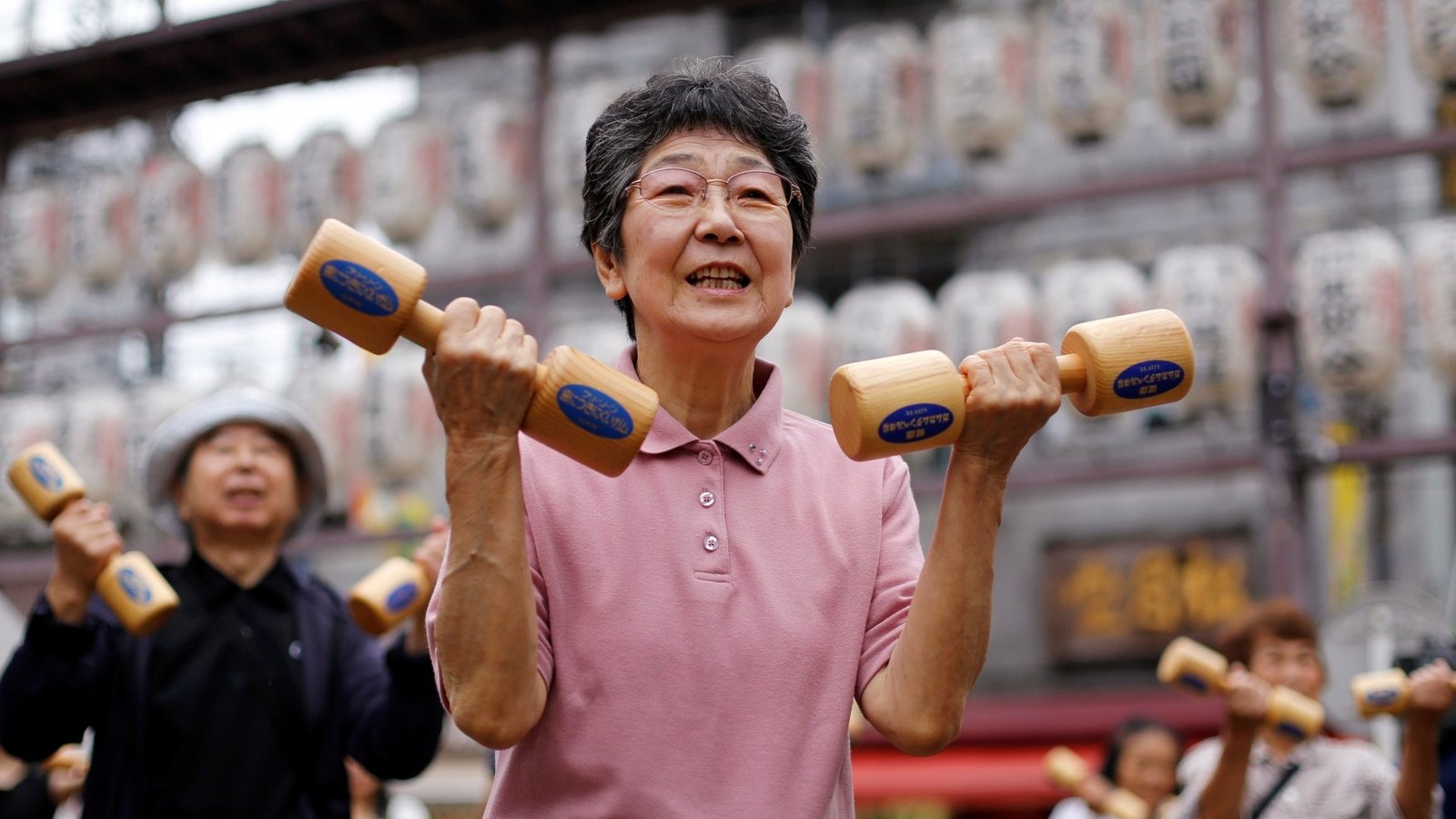
Facing a shrinking working-age population, Japan's government introduced seven measures under an amended Law on the Employment of High-Age Persons, designed to make it easier for people to keep working up to age 70.
The measures include delayed retirement options, re-employment programmes, job placement support, and financial assistance for those who choose freelance work or start a business, alongside support for people working through non-profit organisations.
The working-age population, those between 15 and 64, had fallen to 75.451 million in 2018, its lowest level since the 1950s, and was projected to shrink by roughly 30% by 2049. Government estimates suggested raising employment among 65-to-69-year-olds could add 2.17 million workers, 8.2 trillion yen in labour income, and 4.1 trillion yen in consumption. Roughly 65% of older Japanese said they wanted to keep working, but only 46.6% were doing so at the time.